Tea Bag Cup: A Designer’s Real-World Embroidery Review
First Impressions: Elegant, Not Fussy — But Does It Stitch Well?
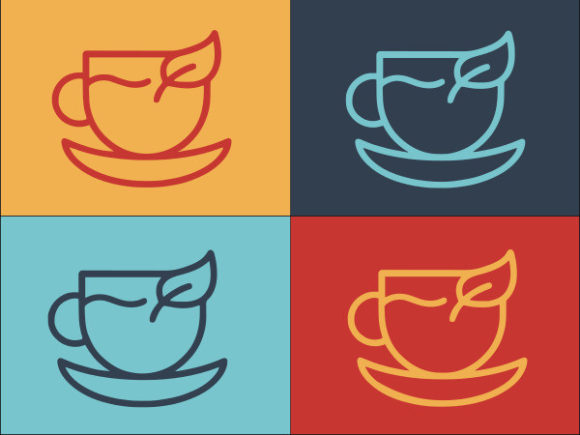
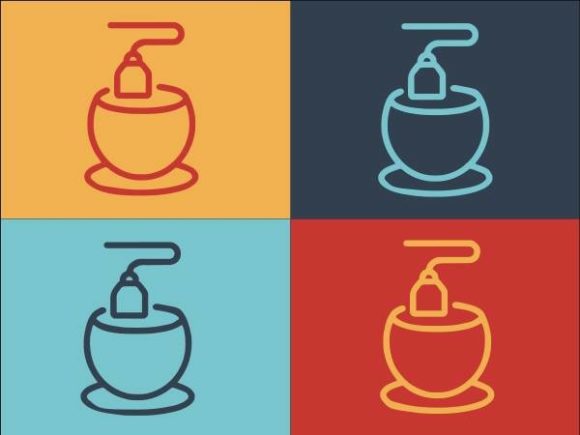
When I opened Tea Bag Cup for the first time, I wasn’t looking for “cute” or “trendy.” I was asking: *Will this hold up on a linen tea towel? Will it read clearly on a baby onesie? Does it have enough breathing room for satin stitch without bleeding into itself?* The answer, after several test runs, is yes — but with nuance. This isn’t a maximalist logo; it’s intentionally restrained. Clean curves, balanced negative space, and a subtle nod to teatime whimsy without tipping into kitsch. That elegance translates well into embroidery — especially when you’re stitching for boutique clients who value quiet sophistication over loud graphics.
A Real Project Test: Embroidering It on a Linen Tote Bag
Last week, I used Tea Bag Cup on a natural linen tote for a local café’s holiday gift set. The design sat centered above the pocket — not too big, not too small. Because the layout avoids tight clusters or micro-details, it stitched cleanly even at 3.2 inches wide. No thread breaks. No skipped stitches. The curve of the cup handle held its shape beautifully in satin stitch, and the steam swirl translated surprisingly well as a light running stitch accent. Customers responded immediately — not just to the theme, but to how *finished* it looked. That matters: handmade products gain trust when the embroidery feels intentional, not rushed or pixelated.
Where Tea Bag Cup Shines (and Where It Needs Caution)
Tea Bag Cup works best where clarity and charm coexist:
- Custom apparel: Crisp on cotton tees and midweight sweatshirts — especially when paired with soft-thread neutrals like oat, charcoal, or sage.
- Tote bag design and tea towel embroidery: Its open structure avoids heavy fill stitch density, so it doesn’t stiffen fabric or pull seams.
- Baby embroidery and nursery decor: Gentle enough for onesies and pillow covers, yet distinctive enough to feel special — no cutesy clichés.
- Embroidered patch production: Clean edges and moderate scale mean it cuts and borders well, whether heat-applied or sewn-on.
- Holiday embroidery and wedding gifts: Think monogrammed napkins or “Brew & Love” aprons — it adds warmth without overpowering.
But here’s where attention is needed:
- Small hoop sizes (<4" diameter): You’ll likely need to resize down carefully — avoid compressing the steam element too far, or it loses definition.
- Textured fabrics like bouclé or thick terry: Use medium-cutaway stabilizer and reduce top tension slightly to keep satin stitch smooth.
- Dark fabric: Test thread contrast thoroughly. Some lighter grays or creams vanish on navy or charcoal unless you add a white underlay.
- Curved surfaces (caps, curved pockets): The cup’s base sits flat — great for front-panel placement — but avoid wrapping it around crown seams.
- Frequent-wash items (baby clothes, kitchen towels): Confirm stitch density isn’t overly sparse in key outlines — fine lines can fray over time if under-stabilized.
Design Assets That Support Real Craft Business Needs
As an Etsy seller and small shop product creator, I care about more than aesthetics — I care about repeatability, licensing clarity, and presentation. The SVG file included with Tea Bag Cup is clean, layered, and imports smoothly into Inkscape and Gravit Designer — essential for quick color swaps or resizing before digitizing. That makes it easy to build printable mockups, prep listings, or adapt for digital embroidery file bundles. Just remember: SVG isn’t embroidery-ready out of the box. You’ll still need to digitize thoughtfully — especially adjusting pull compensation for satin areas and ensuring jump stitches don’t land mid-design.
What This Design Says About Your Brand — Without Saying a Word
Using Tea Bag Cup signals care. Not just in execution, but in curation. It doesn’t scream “look at me,” but invites pause — the same way a well-brewed cup does. That tone aligns naturally with brands focused on slow living, artisan goods, mindful gifting, or cozy hospitality. On a branded apron? It feels like part of the story. On a personalized gift? It elevates the gesture. And for a craft business, that consistency — between design, stitch, and sentiment — builds recognition faster than any tagline.
Practical Embroidery Designer Notes Before You Stitch
Before committing to your first machine embroidery design run with Tea Bag Cup, do these five things:
- Test on scrap fabric — same weight and weave as your final piece, with the exact stabilizer you plan to use.
- Check thread color contrast in both natural and artificial light — what reads well on screen may disappear on fabric.
- Review stitch density in your embroidery software: avoid thin satin columns narrower than 0.8mm unless you’re using high-quality 40-weight thread.
- Confirm hoop size compatibility — especially if pairing with other elements (like a name or date) in multi-part designs.
- Verify licensing terms before selling finished items or bundling as design assets. Since Tea Bag Cup is categorized under Logos and Graphics, clarify whether commercial use is permitted for physical products or digital resale.
Final Thought: Less Is Truly More — When It’s Designed Right
Tea Bag Cup won’t dominate a tradeshow booth. It won’t go viral on social media. But it will make someone smile while unzipping their tote, pause mid-sip to admire their towel, or choose your handmade product over mass-produced alternatives — because it feels considered, calm, and quietly confident. That’s the power of a well-intentioned embroidery project. Not flash. Not fuss. Just a thoughtful cup — stitched right.